
In Urbandale, Iowa, a vehicle has to handle more than the daily commute. It may face bright summer sun, wet spring roads, gravel, winter slush, road salt, and long stretches of highway around the Des Moines metro. A smart upgrade plan begins with the way you actually drive, park, and maintain your vehicle, whether that includes ceramic coating for cars in Urbandale, IA, better tires, upgraded electronics, or simple interior protection.
The goal is not to add every available accessory at once. It is to solve everyday problems in the right order. Comfort, paint protection, security, audio, and appearance can all add value, but the best results come from choosing upgrades that fit your vehicle, budget, and local driving conditions.
A driver who parks outside near Urbandale, commutes on I-35 or I-80, and keeps a vehicle for several years may need a different plan than someone who drives only on weekends. Highway miles can mean more rock chips, while parking lots, winter grime, and changing temperatures can affect paint, glass, wheels, and cabin materials.
Before comparing brands or features, write down the top three frustrations you have with your current vehicle. Common answers include glare during morning drives, a hot cabin, difficult cleanup after winter, weak phone connectivity, poor sound, or tires that do not inspire confidence in rain and snow.
If you have been searching for automotive ceramic coating near me, consider how much outdoor exposure, highway mileage, and routine washing your vehicle receives before deciding how much protection makes sense.
Choose One Main Upgrade Goal
It is easier to make good decisions when every upgrade supports a primary goal. Select the category that will make the greatest difference in daily use, then build around it.
- Reduce cabin heat and windshield glare.
- Protect paint, wheels, and interior surfaces.
- Improve sound quality and phone connectivity.
- Add remote convenience or vehicle security.
- Refresh the vehicle’s look with carefully chosen styling changes.
- Improve traction, handling, or ride comfort.
Put Comfort Upgrades in Context
Window Tint and Cabin Comfort
Quality window tint can reduce glare and help the cabin feel more comfortable during sunny Iowa summers. However, darkness is only one factor. Ask about heat rejection, optical clarity, nighttime visibility, color stability, warranty coverage, and compatibility with antenna or signal systems. Iowa tint rules can vary by window location, so verify current requirements before choosing a visible-light level.
Interior upgrades can be equally useful. Durable floor liners, seat protection, sunshades, odor treatment, and improved cabin lighting are practical for families, pet owners, contractors, and drivers who regularly carry sports gear. These small changes often make a vehicle easier to live with than a highly visible accessory that adds little daily function.
Match Paint Protection to Local Driving Habits
Basic paint care starts with regular washing, safe drying techniques, and a protective wax or sealant. That foundation matters in Urbandale because road salt, slush, bird droppings, tree sap, and grime can sit on exterior surfaces if a vehicle is not cleaned regularly.
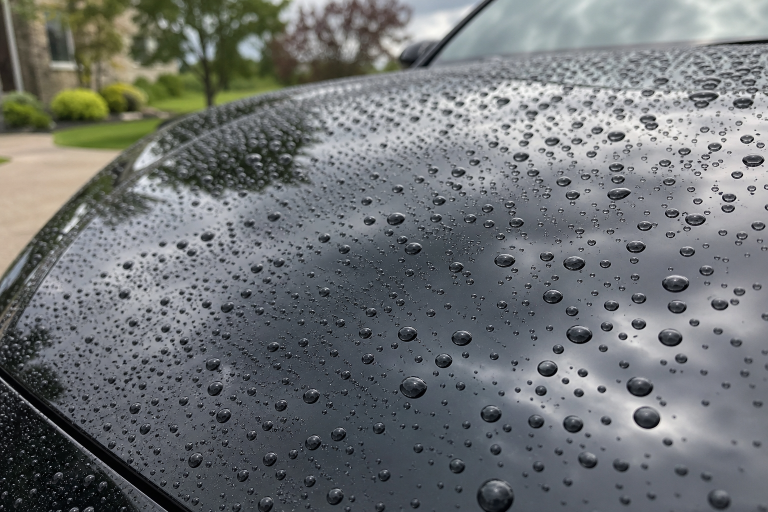
For longer-term protection, paint protection film is commonly used on high-contact areas such as the front bumper, hood edge, mirrors, door edges, and rocker panels. Ceramic coatings can help make washing easier and improve water behavior on the surface, but they do not make paint immune to chips, deep scratches, or collision damage. A highway commuter may prioritize front-end film, while an urban driver may place more emphasis on door edges and frequent cleaning.
Improve Audio, Connectivity, and Security
Start audio upgrades by identifying the weakest part of the existing system. Replacing worn speakers can improve clarity, while an amplifier can provide cleaner power, and a subwoofer can add low-frequency depth. Do not choose speakers by wattage alone. The equipment needs to suit the cabin size, factory head unit, available electrical capacity, and your preferred listening level.
When adding smartphone integration, cameras, remote start, alarms, tracking devices, or keyless-entry features, protect the functions your vehicle already has. A well-planned installation should preserve steering-wheel controls, warning chimes, backup-camera operation, and factory displays whenever possible. Security technology is helpful, but it still works best alongside sensible parking habits, locked doors, and appropriate insurance coverage.
Treat Driver Assistance Features as Safety Systems
Modern vehicles may use cameras, radar, sensors, and windshield-mounted equipment for features such as lane warnings, blind-spot alerts, collision warnings, and automatic emergency braking. The systems that assist attentive drivers are not replacements for steering, braking, seat belts, or focused driving.
Before changing glass, adding decals, installing lighting, or mounting accessories near sensors, review the owner’s manual and ask whether calibration is required. Do not ignore warning lights, camera errors, or changed sensor behavior after an upgrade.
Plan Wheels, Tires, and Handling Changes Carefully
Tires affect braking, traction, wet-weather control, road noise, and ride quality more directly than many appearance upgrades. Choose them for the conditions you actually encounter, including summer rain, freezing temperatures, and snow-covered streets. Larger wheels can create a sharper look, but shorter tire sidewalls may reduce comfort and increase the risk of damage from potholes.
Confirm load ratings, speed ratings, wheel offset, clearance, tire pressure, and alignment needs before changing wheel-and-tire sizes. Also, remember that heating and air conditioning can affect real-world efficiency, which is one reason fuel-economy testing accounts for weather and HVAC conditions rather than relying on a single ideal driving scenario.
Build Your Upgrade Budget in Stages
Stage One: Fix Existing Problems
Address worn tires, damaged glass, fading lights, peeling trim, neglected paint, and overdue maintenance first. New accessories cannot compensate for reliability or safety problems.
Stage Two: Add Daily-Use Improvements
Consider tint, interior protection, paint care, better lighting, remote convenience, or phone connectivity. These upgrades can improve ordinary errands, commutes, and road trips.
Stage Three: Add Specialty Features
Finish with wheels, graphics, advanced audio, performance-related changes, or expanded paint protection. Ask about installed cost, future maintenance, warranty implications, replacement-part availability, and care instructions before approving work.
Practical Vehicle Upgrade Checklist
- Inspect the vehicle’s current condition and maintenance status.
- List your top three daily frustrations.
- Choose one primary upgrade goal.
- Check applicable Iowa laws and manufacturer guidance.
- Confirm fitment, electronic compatibility, and sensor clearance.
- Compare materials, installed costs, warranties, and upkeep needs.
- Complete upgrades in stages and test every affected feature.
- Keep receipts, product information, and care instructions for future service or resale.
Conclusion
A practical vehicle upgrade in Urbandale should make everyday driving easier, more comfortable, and better protected against local conditions. By setting priorities, respecting safety systems, choosing climate-appropriate materials, and avoiding an all-at-once approach, drivers can create a vehicle that serves them well through Iowa summers, winters, and everything between.