
Creating an eco-friendly outdoor living area is a rewarding way to enhance both your home’s aesthetic and its positive impact on the environment. Homeowners can create beautiful, functional spaces by focusing on sustainable methods and materials. Whether you are starting from scratch or upgrading an existing backyard, incorporating eco-conscious practices makes a lasting difference. Thoughtful choices, such as environmentally sound hardscaping and local plants, bring style and sustainability together for a relaxing escape that also respects the planet.
Eco-friendly outdoor design involves everything from choosing materials that have a lower carbon footprint to installing energy-efficient lighting. By using products that last and require fewer resources, you help conserve the environment while enjoying long-term benefits. Simple upgrades in your garden beds, decks, or patios can transform these areas into vibrant spaces that save water, minimize energy consumption, and attract beneficial wildlife.
Integrating sustainable solutions does not mean sacrificing comfort or beauty. Homeowners can blend indoor and outdoor areas with modern designs that offer seamless transitions, increasing the usable space of your home and encouraging more time in nature. As part of looking at eco-friendly outdoor improvements, it is also wise to focus on ease of maintenance and durability. Maintaining your backyard responsibly ensures it remains inviting and sustainable for years to come.
Those considering larger updates, such as a new pool or water feature, can also choose efficient designs and responsible approaches. If you are interested in professional installation, a smooth and eco-conscious process can be ensured with expert pool installation tailored to your property and environmental needs.
Choosing Sustainable Materials
Sustainable materials are essential for environmentally conscious landscaping and construction. Products like recycled wood, composite decking, reclaimed stone, and permeable pavers help minimize the carbon footprint of your outdoor living area. Composite decking is made from recycled plastics and wood fibers, making it a smart alternative to traditional lumber that is both durable and low-maintenance. This reduces deforestation and adds longevity to your deck or patio.
Another effective option involves using permeable pavers for paths or patios. These pavers allow water to filter through, reducing rainwater runoff and promoting groundwater recharge. Opting for these materials helps balance modern aesthetics with sustainability, all while providing a sturdy, weather-resistant surface. For additional information about sustainable wood and its impacts, the U.S. Environmental Protection Agency offers helpful guidance.
Incorporating Native Plants
Choosing native plants for your gardens and borders is an important step in creating an eco-friendly outdoor space. Local species require less watering and fertilizer, since they have adapted to your area’s rainfall, soil, and seasonal changes. This results in lower maintenance needs and supports pollinators like bees and butterflies, vital to your region’s ecosystem.
Native plantings also help stabilize soil and prevent erosion while providing vital habitat for local wildlife. As they thrive naturally in your climate, they are more resistant to pests and diseases, reducing the need for chemical interventions. Resources like the National Wildlife Federation provide helpful lists and design ideas for native gardening to start planning your environmentally sound landscape.
Implementing Energy-Efficient Features
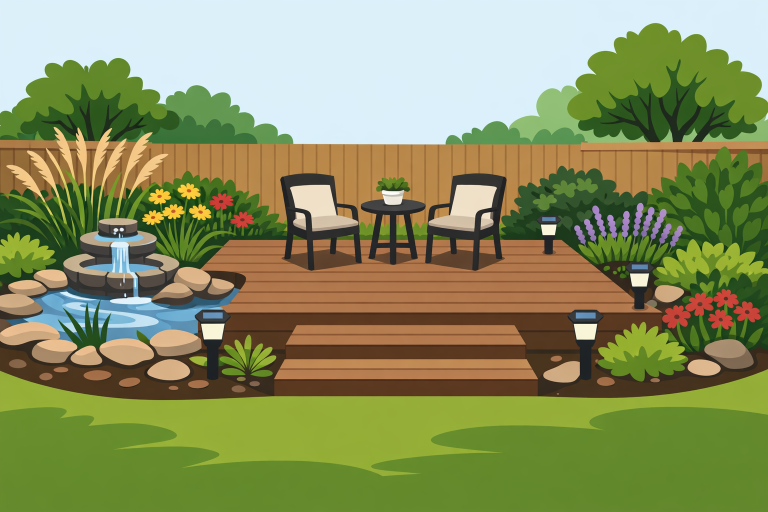
Modern outdoor spaces benefit greatly from energy-efficient additions, which lower long-term energy costs and environmental impact. Solar-powered lights are both stylish and sustainable, providing ambient or task lighting without tapping into the electrical grid. LED fixtures are another smart option, as they use a fraction of the energy of traditional bulbs and last far longer, reducing waste and replacement frequency.
Water features can also be designed with efficiency in mind. Choosing systems with recirculating pumps cuts water usage and the power needed to operate fountains or ponds. Timers and motion sensors further reduce waste, ensuring lights and water run only when needed. Native aquatic plants or natural filtration methods add an extra layer of sustainability to ponds or small backyard streams.
Designing Seamless Indoor-Outdoor Spaces
A harmonious transition from inside to outside improves both aesthetics and usability. Large sliding or bi-fold doors that open directly onto patios or decks expand your living space and let in natural light. By continuing flooring materials or color palettes from indoors out, you foster a sense of continuity and visual connection between the environments.
Covered outdoor kitchens, integrated seating, and sheltered spaces provide flexibility for year-round enjoyment. This unified approach encourages homeowners to spend more time outdoors, enjoying nature and reaping the benefits of fresh air and natural surroundings. Designs that emphasize openness and flow enhance the appeal and function of modern homes.
Maintaining Your Sustainable Space
Careful, eco-friendly maintenance is vital for keeping your outdoor living area healthy and inviting. Choose non-toxic, biodegradable cleaning products for hard surfaces and patio furniture. Monitor plant health regularly to catch issues before they require intervention with chemicals. Handling routine inspections of deck materials, lighting, and water features protects your investment and supports long-term sustainability.
Mulching garden beds, composting yard waste, and using rain barrels for irrigation further minimize your environmental impact. Small steps, taken regularly, help your outdoor area thrive with less waste or resource use.
With a focus on smart material choices, local plantings, and energy-conscious features, homeowners can build outdoor areas that are comfortable, beautiful, and eco-friendly. By following these best practices for sustainable design and hardscaping, every backyard renovation can offer lasting benefits for both people and the planet.